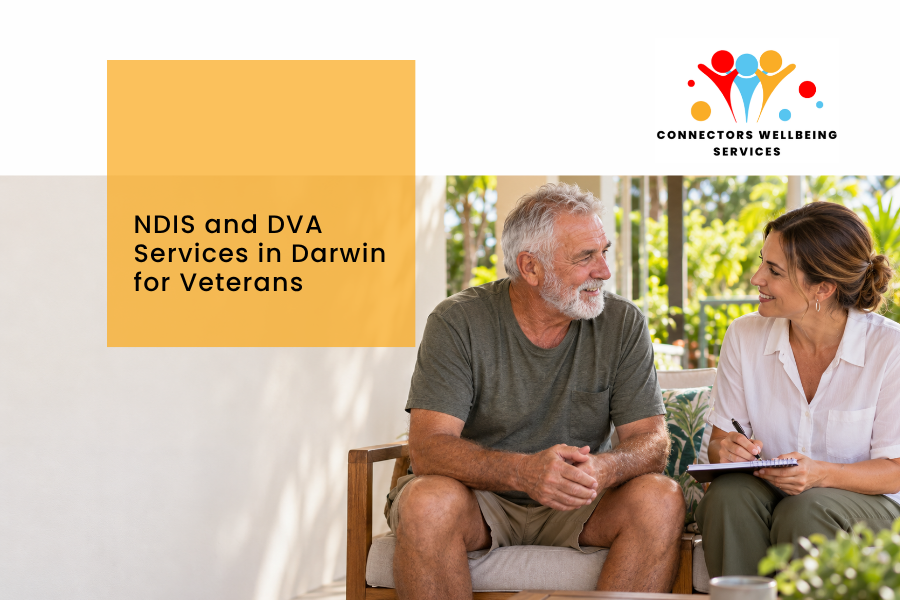
Veterans living with a disability or long-term health condition may need different types of assistance to manage daily activities, maintain independence and participate in their community. In Darwin, the National Disability Insurance Scheme (NDIS) and the Department of Veterans’ Affairs (DVA) provide different forms of assistance, depending on an individual’s eligibility and circumstances.
Understanding how these programs work can help veterans and their families make informed decisions about available services. From disability-related assistance to medical treatment and rehabilitation, knowing which program covers specific needs can make it easier to organise appropriate care.
Understanding NDIS and DVA Services in Darwin
The NDIS funds reasonable and necessary disability-related supports for eligible people with permanent and significant disability. These services may include assistance with daily activities, community participation, skill development and independent living.
DVA provides treatment, rehabilitation, compensation and other benefits to eligible current and former Australian Defence Force members and their families. The type of assistance available depends on the person’s service history, accepted conditions and applicable eligibility requirements.
Who Can Access NDIS and DVA Support?
Eligibility is assessed separately under each program. Qualifying for one does not automatically mean a person qualifies for the other.
NDIS Eligibility for Veterans
Veterans may qualify for the NDIS if they meet the scheme’s disability, age and residency requirements. Generally, applicants must have a permanent and significant disability that substantially affects their ability to complete everyday activities.
Eligibility is not based solely on military service or a diagnosis. The NDIS assesses how a person’s disability affects their daily life and the assistance they require.
DVA Eligibility for Veterans
DVA benefits depend on the person’s military service, accepted injuries or health conditions and the relevant program requirements. Eligible veterans may access healthcare, rehabilitation, compensation and other services.
The type of Veteran Card held can also determine the treatment available. Veterans should check their individual entitlements with DVA before arranging services.
Understanding DVA Gold and White Card Benefits in Darwin
DVA Veteran Cards provide access to different types of healthcare, depending on the card and the person’s eligibility.
Gold Card Benefits
The DVA Gold Card, also known as the Veteran Card – All Conditions, generally provides access to clinically necessary healthcare for all medical conditions within Australia, subject to applicable arrangements.
Eligible cardholders may access medical consultations, hospital treatment, allied health services and prescription medicines under relevant DVA arrangements.
White Card Benefits
The DVA White Card, also known as the Veteran Card – Specific Conditions, generally covers treatment for accepted service-related injuries and conditions. Depending on eligibility and service history, it may also cover certain mental health conditions and other specified conditions.
Veterans should confirm the conditions and treatments covered by their card before making appointments or assuming a service will be funded.
Note: Veterans can review their entitlements through the official DVA website or their MyService account. DVA can also clarify eligibility, accepted conditions and treatment arrangements.
Can Veterans Access Both NDIS and DVA Funding?
Some veterans may qualify for both programs, but the funding arrangements depend on the type of support required and the responsibilities of each scheme.
The NDIS generally funds disability-related supports that meet its access and funding requirements. DVA may cover eligible medical treatment, rehabilitation and other services under its own arrangements.
Understanding which program funds a service
A veteran may need assistance with daily living while also receiving medical treatment for a service-related injury. These needs should be assessed separately to identify the appropriate funding pathway.
For example, eligible medical treatment may be funded through DVA, while approved assistance with everyday activities may be considered under an NDIS plan. The actual arrangement depends on the person’s circumstances, the service involved and the applicable program rules.
Avoiding duplicate funding
The same support cannot simply be claimed from both programs. Funding responsibilities must be clarified before services begin to avoid duplicate claims or unexpected costs.
Veterans can contact their NDIS contact person, support coordinator or DVA representative to confirm which program is responsible for a particular service.
Types of Disability Support Available to Eligible Veterans
Depending on eligibility, approved funding and individual needs, veterans may require several forms of assistance to maintain their independence.
1. Assistance with Daily Activities
Support with personal care, household tasks and everyday routines can help eligible individuals manage daily responsibilities. The specific assistance available depends on the person’s approved supports and funding arrangements.
2. Community Participation
Community-based assistance can help eligible participants access social activities, develop relationships and take part in local events. These activities may support confidence, independence and social connection.
3. Skill Development and Independent Living
Some participants benefit from assistance to develop practical life skills, manage routines and build confidence in everyday situations. Depending on eligibility and the approved plan, this may include support with daily living skills and greater independence.
4. Health and Rehabilitation Services
DVA may fund eligible treatment and rehabilitation services in line with its requirements. Depending on the person’s needs and entitlements, these may include medical care and approved allied health services.
It is important to distinguish clinical treatment from disability-related assistance, as the relevant funding arrangements may differ.
How to Access NDIS and DVA Services in Darwin
Taking a few practical steps can help veterans understand their options and arrange appropriate assistance.
Step 1: Review Your Eligibility
Check whether you meet the NDIS access requirements and identify any existing DVA entitlements. Keep relevant medical reports, disability assessments and service-related documentation available.
Step 2: Confirm Your Funding Arrangements
Review your NDIS plan, if applicable, and check the treatment or services covered by your DVA benefits. Contact the relevant agency if you are unsure which program may fund a particular need.
Step 3: Identify Suitable Service Providers
Look for providers whose registration, experience and available services match your requirements. Ask about the services they deliver, their eligibility requirements and how they work with your existing funding arrangements.
Step 4: Discuss Your Individual Support Needs
Explain your daily living requirements, personal goals and any assistance you already receive. This can help the provider determine whether its services are appropriate for your circumstances.
Step 5: Confirm the Arrangements Before Services Begin
Before agreeing to a service, clarify the costs, funding source, service agreement and any applicable approval requirements. This helps reduce misunderstandings and supports a smoother service experience.
Accessing NDIS Disability Support Through Connectors Wellbeing
Connectors Wellbeing provides NDIS services in Darwin and supports eligible participants with different disability-related needs. Its registered service categories include support coordination, supported independent living, assistance with daily personal activities, household tasks, community participation and community nursing care.
However, NDIS registration does not automatically mean that a provider delivers services funded by DVA. Veterans should contact Connectors Wellbeing directly to confirm which services are available for their circumstances and discuss their existing NDIS plan or support requirements.
Final Thoughts
Understanding the differences between the NDIS and DVA can help eligible veterans in Darwin make informed decisions about disability assistance, healthcare and funding. Although some individuals may qualify for both programs, each has separate eligibility criteria and responsibilities that should be considered before arranging services.
By checking entitlements, confirming funding arrangements and working with suitable providers, veterans and their families can better understand their options. Connectors Wellbeing can be contacted to discuss its NDIS services and determine whether its available supports align with an eligible participant’s needs.
FAQs About NDIS and DVA Services in Darwin
1. Can veterans in Darwin apply for the NDIS?
Yes. Veterans can apply if they meet the NDIS eligibility requirements, including the relevant disability, age and residency criteria. Military service alone does not guarantee access.
2. What is the difference between a DVA Gold Card and White Card?
A Gold Card generally covers clinically necessary healthcare for all medical conditions, subject to applicable arrangements. A White Card generally covers accepted service-related conditions and other specified conditions where eligible.
3. Can veterans receive NDIS and DVA funding at the same time?
Some veterans can access both programs if they meet the relevant requirements. However, each program has separate funding responsibilities, and the same support cannot be funded twice.
4. What NDIS services may be available to eligible veterans in Darwin?
Depending on their approved plan and individual needs, eligible participants may access assistance with daily activities, household tasks, community participation, skill development and independent living.
5. How can veterans find suitable NDIS services in Darwin?
Veterans can review registered providers, compare their available services and discuss their requirements directly with the provider. Connectors for Wellbeing can be contacted to learn more about its NDIS services and determine whether they suit the participant’s needs.