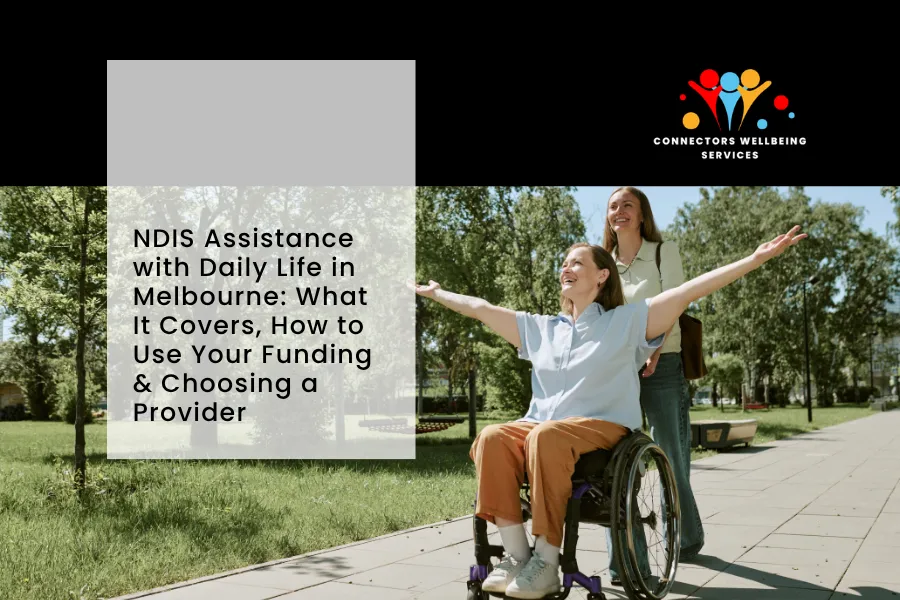
Navigating the NDIS can feel tricky, but understanding your plan helps you get the most out of your funding. For thousands of Victorians, NDIS assistance with daily life in Melbourne provides the foundation for their everyday routine. It delivers practical, hands-on help to live safely, build daily skills, and stay independent at home and in the community.
People live in all sorts of places across Melbourne. Some are in quieter areas in the east. Others are in units near the city centre. Many others are in busier parts in the north. In each case, having support that you can count on really matters. It also covers how to use your funding and how to find a local support provider that fits you.
What Is Assistance with Daily Life in the NDIS?
Assistance with Daily Life is a support category within the Core Supports budget of your NDIS plan (Category 1). It funds support workers to assist you with everyday personal care, house duties and routines that would be difficult, tiring or unsafe to do yourself due to your disability.
This funding is centred around giving you choice and control. Depending on your support needs, your support could range from a couple of hours of help per week with house cleaning, to full-time personal care.
Core Supports vs. Capital and Capacity Building
To understand how your budget fits together, it helps to know how Daily Life Assistance fits within the three main NDIS plan elements:
- Core Supports: Everyday help with daily tasks, transport and getting involved with community activities. This budget is very flexible, meaning you can shift funds between areas of support and use it for both daily life and social activities.
- Capacity Building: This is the budget for building your capacity, developing skills, gaining employment support, seeing specialists, and accessing therapies.
- Capital: Funding for large-scale purchases or projects, such as wheelchairs, equipment and home modifications.
As Daily Life Assistance is budgeted within your Core Supports, you can generally allocate and reallocate this money between your daily support needs and social activities as required throughout the year.
Why Is Daily Life Support Important for Melbourne Participants?
Living in a big city like Melbourne brings great choices, but looking after a home and daily jobs can feel hard. Having regular daily help brings peace of mind to you and your family.
- Stay Independent: Assistance with daily life tasks can help you maintain your ability to live independently within your own home.
- Build Skills: Workers can guide and teach you how to complete these tasks on a daily basis.
- Support Family: Carers and your family can take a break and spend more quality time with you.
- Stay Safe: You will receive trained assistance when showering, cooking and completing other physical tasks that may put you at risk.
What Does NDIS Assistance with Daily Life Cover?
Daily living support covers many everyday jobs. Its main goal is to keep your home safe, clean, and comfortable for you.
| Support Type | What Is Included | Main Benefits |
|---|---|---|
| Personal Care & Hygiene | Showering, dressing, hair care, teeth brushing, and getting out of bed. | Keeps you clean, healthy, and feeling good every day. |
| Domestic Assistance | Vacuuming, mopping, laundry, washing dishes, and general tidying. | Keeps your living space clean, safe, and organised. |
| Meal Prep & Nutrition | Planning meals, grocery shopping, cooking, and preparing food. | Makes sure you eat good food and stay healthy. |
| High-Intensity Care | Complex medical care, tube feeding, and managing medicine. | Handled safely by trained support staff. |
1. Personal Care and Morning Routines
A friendly NDIS support worker in Melbourne can help you with essential morning and night routines. This includes respectful help with showering, using the toilet, dressing, shaving, and getting safely into or out of bed. Your worker will always go at your pace and listen to how you like things done.
2. Household Chores and Cleaning
Keeping a home clean takes a lot of physical work. Your funding covers help with jobs like changing bed sheets, washing and ironing clothes, vacuuming, mopping floors, wiping down benches, and taking out the rubbish bins.
3. Cooking and Grocery Shopping
Eating good meals keeps your body healthy. A support worker can help you write grocery lists, shop at your local Melbourne supermarket, and cook fresh food in your kitchen. If you want to learn how to cook, they can teach you simple kitchen steps.
4. Basic Yard Care and Maintenance
If your disability makes it hard to keep your garden safe, your Daily Life budget can sometimes cover basic yard care, such as lawn mowing and clearing paths, so you can move around safely outdoors.
Supported Independent Living (SIL) in Melbourne
For people who have high support needs and need help or supervision for most of the day, supported independent living Melbourne (SIL) is a great option.
SIL is a special setup under Assistance with Daily Life. It pays for support workers in a shared house or private home where 24/7 care is needed.
What SIL Covers:
- Support workers help on site 24 hours a day, including night care.
- Full help with personal care, house chores, and cooking meals.
- Help with learning skills, setting up daily routines, and living with housemates.
Note: SIL funding pays the support workers inside the home; it does not pay for your rent, food, or electricity bills.
How to Get the Most out of Your Daily Life Funding
Using your plan money wisely makes sure you get steady care all year without running out of money early.
Flexible Plan Budgets
Because Assistance with Daily Life sits inside Core Supports, you have flexibility. If you do not use all your support hours one week, that money stays in your balance. You can save it for extra help when you feel unwell, or use extra funds for social and community participation so you can go to local groups, events, or visits across Melbourne.
Handling Changes in Your Week
Your support needs can change throughout the year. For instance, you might want extra help around the house or with heating during winter. Having a flexible agreement with your provider lets you easily add hours during busy times and reduce them when you need less help.
How NDIS Support Coordination Helps
If your plan includes ndis support coordination melbourne, your support coordinator acts as your guide. They can help you:
- Read and understand your plan money so you know what you can afford.
- Connect your daily care needs with trusted local ndis providers melbourne.
- Set up clear service agreements so you know when workers will come.
- Find health professionals if your care needs change over time.
High-Intensity Daily Personal Help
Some people need extra care due to health conditions. High intensity support falls under Category 1, but workers need special health training to do them safely.
High-Intensity Care Includes:
- Complex Bowel Care: Helping participants who need special health monitoring and care.
- Tracheostomy Care: Cleaning and looking after breathing tubes safely.
- Tube Feeding: Preparing and giving food through feeding tubes.
- Swallowing Care: Helping people who have trouble swallowing, eat and drink safely.
- Seizure Support: Watching for seizures and giving emergency medicine if needed.
If you need high-intensity care, your provider must make sure their staff have the right training and are supervised by nurses.
Frequently Asked Questions
What is assistance with daily life in the NDIS?
It is core NDIS funding that pays support workers to help with daily tasks like showering, cooking, and cleaning so you can live safely at home.
Can I choose my own support worker in Melbourne?
Yes. You have total choice and control to pick independent workers or matched staff through a provider based on your needs and personality.
What is core support for the NDIS?
It is flexible funding for everyday living. It covers daily life assistance, basic supplies (consumables), social activities, and essential transport.
Does daily life funding pay for groceries and rent?
No. It only pays for the support worker’s time and help, not everyday living costs like food, rent, or bills.
Can I use daily life funding for support outside my home?
Yes, support workers funded under assistance with daily life can go with you to medical appointments, help you while grocery shopping, or assist you with daily routines while out in the Melbourne community.
What is the difference between daily life assistance and SIL?
Standard daily life assistance offers drop-in or scheduled help for specific tasks throughout the week in your existing home. Supported Independent Living (SIL) is an ongoing funding model for participants who need higher 24/7 care or supervision in shared or individual housing.
Take Control of Your Daily Supports with Connectors Wellbeing
Living comfortably in your own home should never feel hard. With the right support team by your side, managing daily routines becomes simple, leaving you free to focus on your goals, family, and social life.
At Connectors Wellbeing, we help NDIS participants across Melbourne access friendly, respectful, and reliable support. From daily personal care and house cleaning to expert support coordination, our local team works alongside you every step of the way.
Ready to get the most out of your NDIS plan? Contact Connectors Wellbeing today to talk about your daily support needs or book a free chat with our team!