Two Supports. Which One Is Right?
When planning NDIS supports, many families in the Northern Territory ask the same question:
Should we choose Community Access or Supported Independent Living (SIL)?
They sound similar. Both promote independence. Both improve quality of life.
But they serve very different purposes.
Understanding the difference could mean the difference between simply receiving support and truly thriving.
What Is NDIS Community Access? (Darwin & NT Guide)
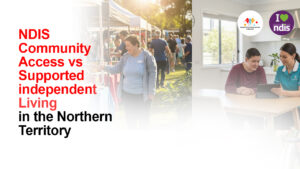
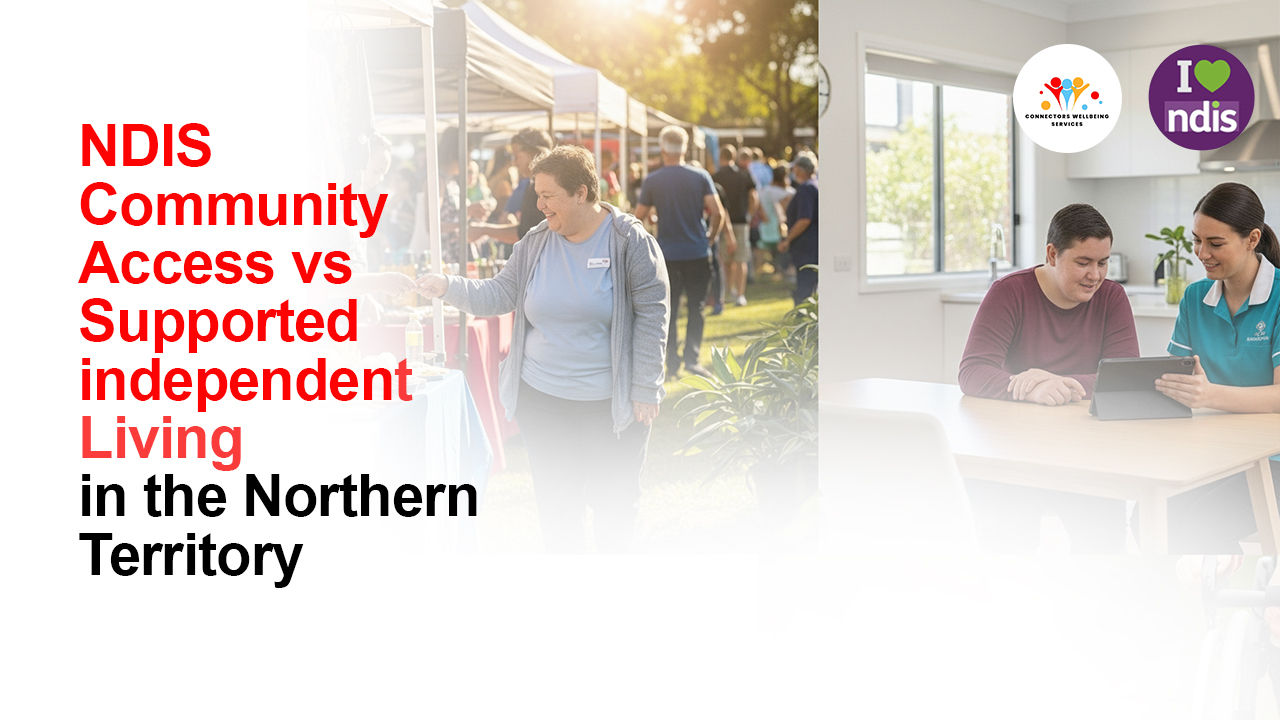
Community Access helps participants engage with life outside the home.
This support focuses on:
- Social inclusion
- Skill development
- Confidence building
- Reducing isolation
Examples of Community Access activities:
- Attending social events or groups
- Shopping or running errands
- Going to the gym, library, or community centre
- Learning public transport skills
- Participating in classes or hobbies
The goal is simple: help participants live active, connected lives in their community.
What Is Supported Independent Living?
Supported Independent Living is very different. It provides daily living support at home for people who need significant assistance.
Supported independent living may include:
- Help with personal care (showering, dressing)
- Meal preparation
- Medication support
- Household tasks
- Overnight supervision
- 24/7 support in shared or individual accommodation
Supported independent living is designed for participants who require ongoing daily assistance to live safely and independently.
A Story from the NT: Finding the Right Fit
James, a young man in Darwin, was approved for NDIS support. His family initially requested Supported Independent living because they wanted him to be more independent.
After assessment, his provider suggested starting with Community Access instead.
Through weekly outings and skill-building:
- James learned to use public transport
- He joined a local sports group
- He made new friends
- His confidence grew
A year later, he was living more independently at home without needing Supported Independent living.
Sometimes the right support isn’t the most intensive one. It’s the one that builds the right skills at the right time.
Community Access vs Supported Independent Living: Key Differences
| Feature | Community Access | Supported Independent Living |
| Purpose | Social participation & skill building | Daily living support at home |
| Location | In the community | At home or shared accommodation |
| Support Level | Low to moderate | High, ongoing support |
| Funding Category | Core Supports | Supported independent living funding (separate approval) |
| Goal | Independence through engagement | Safe, supported living |
How to Know Which One You Need (Northern Territory Families Guide)
Ask yourself:
- Does the participant manage daily personal care independently?
- Is the main challenge social isolation or lack of confidence?
- Do they need help for most daily tasks at home?
- Is 24-hour support required for safety?
If independence at home is mostly intact, Community Access may be enough.
If daily living tasks are difficult or unsafe, Supported independent living may be appropriate.
Question for you: Is your goal more independence at home, or more connection and confidence in the community?
Where These Supports Fit in the NDIS Plan
Community Access is usually funded under:
- Core Supports – Assistance with Social and Community Participation
Supported independent living requires:
- Separate assessment
- Evidence of high support needs
- NDIA approval
Because SIL is more intensive and costly, it’s important to explore whether other supports can meet the participant’s goals first.
FAQ: Community Access vs SIL in Darwin & NT
- Can someone receive both Community Access and Supported independent living?
Yes. Many participants living in supported independent living also receive Community Access to stay socially active.
- Is Supported Independent living only for shared homes?
No. Supported independent living can be provided in shared accommodation or individual living arrangements.
- Can Community Access lead to greater independence over time?
Absolutely. Many participants build skills that reduce their need for higher-level supports.
- Who helps decide which support is right?
Support coordinators, providers, and the NDIA work together with families to determine the best fit.
Why the Right Choice Matters
Choosing the wrong support can lead to:
- Unnecessary costs
- Reduced independence
- Limited opportunities for growth
Choosing the right one means:
- Better outcomes
- Greater confidence
- More meaningful daily life
- Stronger long-term independence
Let’s Find the Right Support for You
Whether you’re exploring NDIS Community Access in Darwin or considering Supported Independent Living in the Northern Territory, expert guidance makes all the difference.
Connect with Connectors Well-being today to discuss your goals, explore your options, and build a support plan that truly fits your life.
Because the right support doesn’t just help you live. It helps you live well.