Introduction
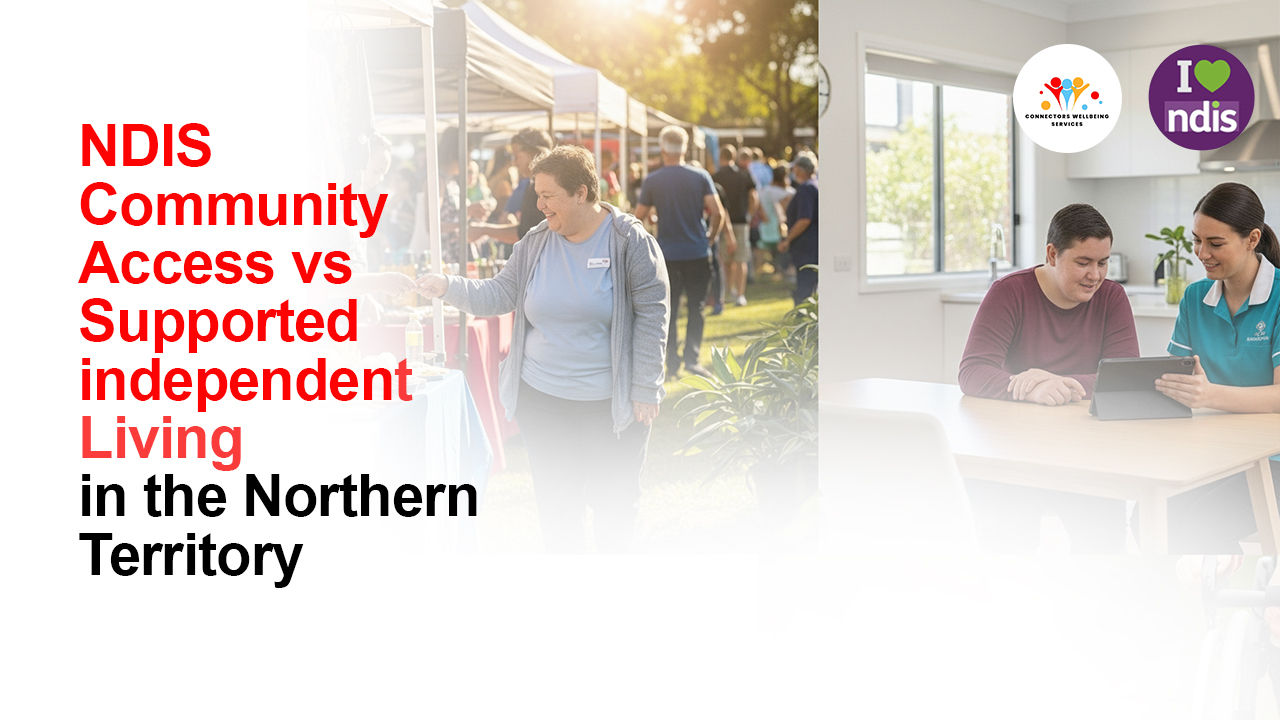
NDIS Community Access vs Supported Independent Living in the Northern Territory is a key decision many families and participants must make when planning disability support services.
Understanding the difference isn’t just helpful—it’s essential. The right choice can improve independence, confidence, and overall quality of life.
In the Northern Territory, working with a trusted NDIS-registered provider like Connectors Wellbeing ensures that participants receive tailored, compliant, and high-quality support.
👉 Explore services: https://connectorswellbeing.com.au
What is NDIS Community Access?
Key Features
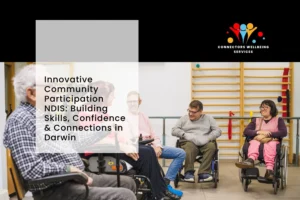
NDIS Community Access is designed to help participants engage with their community. It focuses on social inclusion, independence, and participation in everyday activities.
Key features include:
- Attending social events
- Visiting parks, malls, or community centres
- Skill-building activities
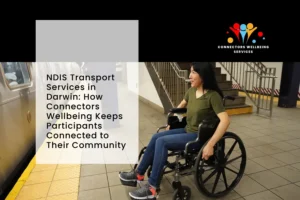
- Transport assistance
It’s about helping individuals live fuller, more connected lives.
Who It Is For
Community Access is ideal for individuals who:
- Live at home or independently
- Want to build social skills
- Need support to participate in daily activities
What is Supported Independent Living (SIL)?
Key Features
Supported Independent Living (SIL) provides assistance with daily living tasks for individuals living in shared or individual accommodation.
This includes:
- Personal care (showering, dressing)
- Meal preparation
- Medication management
- 24/7 support (if required)
SIL focuses on building independence within a structured living environment.
Who It Is For
SIL is suitable for individuals who:
- Require ongoing daily support
- Have higher care needs
- Benefit from structured routines
NDIS Community Access vs Supported Independent Living in the Northern Territory: Core Differences
Understanding NDIS Community Access vs Supported Independent Living in the Northern Territory comes down to purpose, environment, and level of support.
| Feature | Community Access | Supported Independent Living |
|---|---|---|
| Focus | Social participation | Daily living support |
| Location | Community-based | Home/shared accommodation |
| Support Level | Low to moderate | Moderate to high |
| Goal | Inclusion & independence | Stability & daily functioning |
Both supports are valuable—but serve different needs.
Benefits of Community Access
NDIS Community Access offers:
- Increased confidence
- Social connection
- Skill development
- Greater independence
Participants can engage with the world around them, reducing isolation and improving wellbeing.
Benefits of Supported Independent Living
SIL provides:
- Structured daily routines
- Continuous support
- Improved safety
- Enhanced life skills
It’s particularly beneficial for individuals with complex needs.
When to Choose Community Access
Choose Community Access if:
- The participant is relatively independent
- The goal is social engagement
- Support is needed for outings or activities
This option works well alongside other supports.
When to Choose Supported Independent Living
Choose SIL if:
- The participant needs daily assistance
- Safety and supervision are priorities
- Independent living is the long-term goal
Role of NDIS in Funding Both Supports
The National Disability Insurance Scheme funds both Community Access and SIL under different support categories.
NDIS may cover:
- Support workers
- Accommodation (SIL)
- Skill-building programs
- Transport
Learn more: https://www.ndis.gov.au
Choosing the Right Provider in the Northern Territory
Selecting the right provider is critical when deciding between NDIS Community Access vs Supported Independent Living in the Northern Territory.
Look for:
- NDIS registration
- Experience in both support types
- Personalised care approach
- Positive client feedback
Providers like Connectors Wellbeing offer both services, making transitions easier as needs evolve.
Internal Support Options with Connectors Wellbeing
When exploring NDIS Community Access vs Supported Independent Living in the Northern Territory, it’s important to choose a provider that offers a full spectrum of services.
At Connectors Wellbeing, participants can access:
- Community participation programs
- In-home support services
- Complex care support
👉 Read more about complex care support here:
https://connectorswellbeing.com.au
This internal resource helps families understand how different supports can work together.
Common Challenges and Solutions
Challenge: Choosing the Right Support
Solution: Conduct a needs assessment with your provider.
Challenge: Funding Confusion
Solution: Work with an NDIS planner or support coordinator.
Challenge: Transitioning Between Supports
Solution: Choose a provider that offers both services for continuity.
FAQs
1. What is the main difference between Community Access and SIL?
Community Access focuses on social participation, while SIL focuses on daily living support.
2. Can I receive both supports?
Yes, many participants receive both depending on their needs.
3. Which is better?
It depends on the individual’s goals and level of independence.
4. Is SIL fully funded by NDIS?
NDIS may fund SIL if it is considered reasonable and necessary.
5. How do I switch between supports?
Speak with your support coordinator and provider.
6. Who provides these services in Darwin?
NDIS-registered providers like Connectors Wellbeing offer both options.
Conclusion
Understanding NDIS Community Access vs Supported Independent Living in the Northern Territory is essential for making the right care decisions.
Both supports play a vital role in empowering individuals with disabilities—but choosing the right one depends on personal needs, goals, and level of independence.
By working with experienced providers like Connectors Wellbeing, families can ensure flexible, high-quality, and person-centred care.
👉 Get started today: https://connectorswellbeing.com.au